Branholt takes carbon dioxide out of ordinary outdoor air, and sells the removal by the tonne.

Marbeck Fen, Lincolnshire · 4 columns · 40.7 tonnes removed in the year to June · £520 a tonne for 2027 delivery

Reserve a tonne

Below is one cycle on column C-4, in the order it happens. The weight of every heading is the loading on the bed at that moment, at 640 weight units to the millimole per gram. The bed starts at nothing and ends at the heel, so the last heading is heavier than the first.

Fresh bed

t 0 min
q 0.000 mmol/g
weight 100.0
air off

A column just changed out. Nothing on the bed and nothing to give. Every number on this site starts from here.

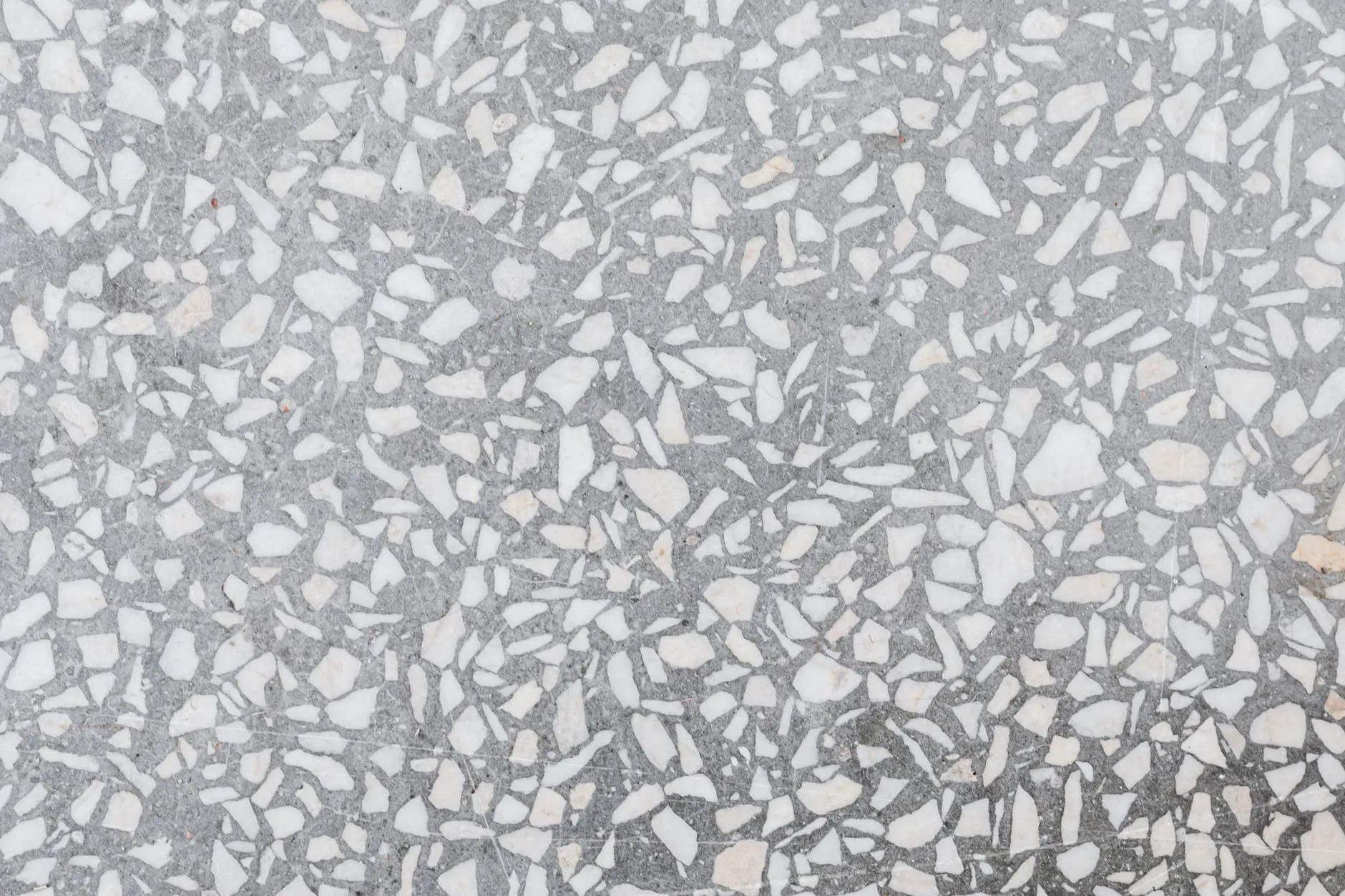
The BR-4 pore field with 0.0 per cent of its drawn pore area inked, which is a loading of 0.000 mmol of CO2 per gram.
0.0% of pore area inked, at 640 weight units to the mmol/g

Air on

t 10 min
q 0.276 mmol/g
weight 277.0
adsorption

The fan starts: 4,200 cubic metres an hour of ordinary outdoor air, 420 parts per million of it the thing we are here for.

The BR-4 pore field with 22.1 per cent of its drawn pore area inked, which is a loading of 0.276 mmol of CO2 per gram.
22.1% of pore area inked, at 640 weight units to the mmol/g

Adsorbing

t 25 min
q 0.581 mmol/g
weight 471.8
adsorption

The bed takes CO2 fastest when it is emptiest. About half the working capacity arrives in the first twenty-five minutes.

The BR-4 pore field with 46.5 per cent of its drawn pore area inked, which is a loading of 0.581 mmol of CO2 per gram.
46.5% of pore area inked, at 640 weight units to the mmol/g

Filling

t 45 min
q 0.844 mmol/g
weight 640.3
adsorption

Three quarters of the way. From here each further gram costs more air than the one before it, because the sites left are the ones the gas has to find.

The BR-4 pore field with 67.5 per cent of its drawn pore area inked, which is a loading of 0.844 mmol of CO2 per gram.
67.5% of pore area inked, at 640 weight units to the mmol/g

Slowing

t 75 min
q 1.058 mmol/g
weight 777.3
adsorption

Ninety per cent of what this bed will hold is already on it. The last tenth takes another forty-five minutes.

The BR-4 pore field with 84.7 per cent of its drawn pore area inked, which is a loading of 1.058 mmol of CO2 per gram.
84.7% of pore area inked, at 640 weight units to the mmol/g

Breakthrough

t 120 min
q 1.188 mmol/g
weight 860.2
air off

The outlet analyser reads the inlet. The bed has stopped taking, so we stop giving it air. Running past this point buys nothing and costs fan power.

The BR-4 pore field with 95.0 per cent of its drawn pore area inked, which is a loading of 1.188 mmol of CO2 per gram.
95.0% of pore area inked, at 640 weight units to the mmol/g

Heat on

t 132 min
q 0.475 mmol/g
weight 403.9
desorption

95 °C and 80 millibar. The bond that held the CO2 at ambient does not hold at temperature, and the gas comes off into the collection line.

The BR-4 pore field with 38.0 per cent of its drawn pore area inked, which is a loading of 0.475 mmol of CO2 per gram.
38.0% of pore area inked, at 640 weight units to the mmol/g

Releasing

t 150 min
q 0.153 mmol/g
weight 197.6
desorption

Most of the batch leaves in these eighteen minutes. It is metered here, wet, before drying and compression.

The BR-4 pore field with 12.2 per cent of its drawn pore area inked, which is a loading of 0.153 mmol of CO2 per gram.
12.2% of pore area inked, at 640 weight units to the mmol/g

Nearly empty

t 165 min
q 0.087 mmol/g
weight 155.4
desorption

The last of it comes off slowly and at the worst energy cost in the cycle. Where a plant stops stripping is a commercial decision, not a chemical one.

The BR-4 pore field with 6.9 per cent of its drawn pore area inked, which is a loading of 0.087 mmol of CO2 per gram.
6.9% of pore area inked, at 640 weight units to the mmol/g

The heel

t 195 min
q 0.062 mmol/g
weight 139.8
vacuum closed

We stop at 0.06. That is the heel, the CO2 this bed does not give back at this duty, and the reason the last heading on this page is heavier than the first.

The BR-4 pore field with 5.0 per cent of its drawn pore area inked, which is a loading of 0.062 mmol of CO2 per gram.
5.0% of pore area inked, at 640 weight units to the mmol/g

What left the building

working capacity 1.1256 mmol/g
4.06 kg CO2 a cycle
210 min a cycle, 6.86 cycles a day
40.7 t a year across 4 columns

The column is unchanged. The sorbent is the same 82 kg it was at 0 minutes, and it will run this cycle again in 15 minutes. What is different is that 4.06 kg of carbon dioxide is now in a cylinder on its way to be injected, and the bed carries 0.062 mmol/g it did not carry when it was new.

Two columns on this site never move. The blank has no sorbent in it and takes the same air for the same three hours: every heading on its page is at weight 100, because nothing adsorbed. The saturated column is already at equilibrium with the air outside, so every heading on its page is at weight 900 and flat. Between those two pages is the whole of what we sell.

Reserve a tonne

Run notes

2 posts